 The Teacher |
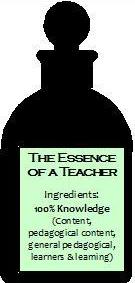
To be an effective teacher in the year 2010 and beyond requires consideration of the teacher, the learner, learning and classroom processes. In this section we will discuss the teacher. "Our ability to teach effectively depends on our knowledge, knowledge that occurs in a variety of forms" (Eggen & Kauchak, 2001, p. 5).
|
|||||
 An important aspect of being an effective teacher in the year 2010 and beyond is being a facilitator of learning, one who makes learning exciting and interesting, motivates and engages students in active learning, promotes life long learning, and has the knowledge and skills to effectively and successfully implement a variety of teaching strategies and techniques that promote active learning in the classroom. "Our ability to teach effectively depends on our knowledge, knowledge that occurs in a variety of forms" (Eggen & Kauchak, 2001, p. 5)
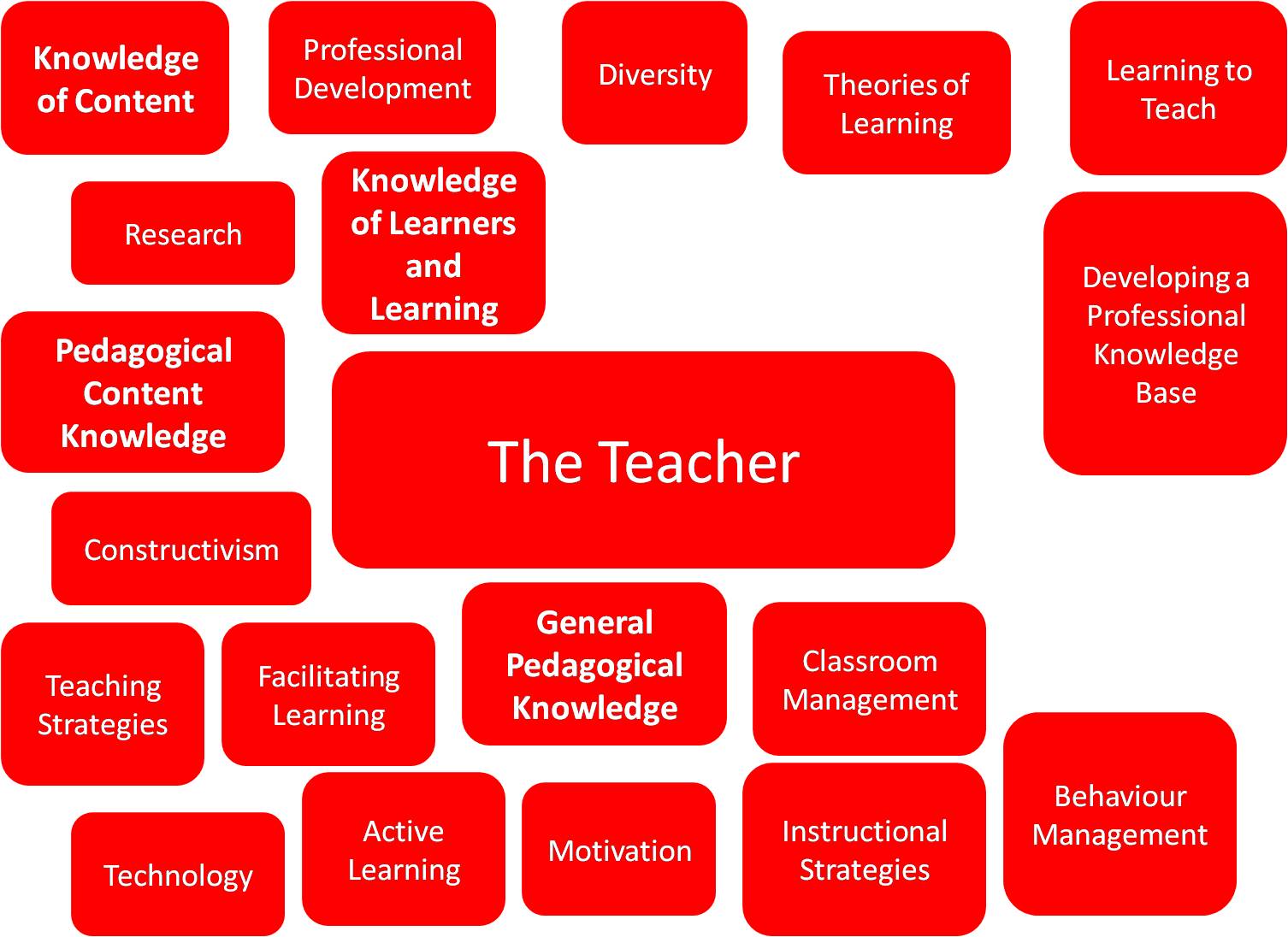
Knowledge of ContentMcInerney and McInerney (2006) suggest effective teachers not only have a good professional knowledge of the subject matter they are teaching, but have an understanding of how the subject matter relates to broader areas of study. Research shows there is a definite relationship between effective teaching, teachers' content knowledge and students' knowledge, and a teacher who has both factual knowledge of a subject and conceptual understanding, is more effective in developing students' deeper understanding and knowledge of material (McInerney and McInerney).
Pedagogical Content KnowledgePedagogical content knowledge refers to the ways in which a teacher represents the subject matter for meaningful learning and understanding (Eggen and Kauchak, 2001). Constructivist theorists suggest "effective learning occurs when individuals construct their own understandings" (McInerney and McInerney, 2006, p. 3). Eggen & Kauchak (p. 10) outline various teaching strategies for representing ideas and topics to promote active learning and help students appropriately construct understanding through building upon student's current knowledge and experiences. Effective teachers use technology, concrete and virtual manipulatives to represent information to students through examples and non-examples to challenge student's beliefs and existing schemas; demonstrations and experiments that use concrete manipulatives to illustrate abstract ideas; and models to visually illustrate ideas and concept.
General Pedagogical KnowledgeGeneral pedagogical knowledge involves an understanding of instructional strategies and classroom management techniques "that transcends individual topics or subject matter areas" (Borko & Putnam, as cited in Eggen & Kauchak, 2001, p. 11) to apply in the classroom to engage students in active learning, create a positive learning environment that promotes respect, fairness and acceptance, and maximise on-task behaviour through effective lesson planning, organisation, rules and routines, and coping strategies to minimise misbehaviour. McInerney and McInerney (2006) suggest effective teachers use a variety of instructional strategies, largely based on constructivist theories, to help children construct their own knowledge, develop understanding and deeper thought processes, and connect new information to existing knowledge and previous experiences. Effective questioning techniques, use of examples and demonstrations, authentic learning tasks, group work and discussions, and opportunities for discovery learning and exploration through use of manipulatives, are effective instructional strategies to "stimulate learning and monitor students' understanding" (McInerney and McInerney, p. 14). Effective teachers proactively manage the classroom by continually assessing behaviour and identifying and implementing coping strategies to minimise and redirect misbehaviour, and increase on-task behaviour. Marsh (2008, p. 217) suggests the key behaviour management skill an effective teacher possesses is the “ability to recognise what is happening in a class and to be able to use coping strategies that are needed immediately, before major problems arise”. Knowledge of Learners and LearningEffective teachers understand and accommodate the individual differences and diverse needs of students, and have knowledge of social, emotional and cognitive development theories and environmental and heredity factors that influence individual students (Eggen and Kauchak, 2001). An effective teacher "seeks to address this diversity by establishing and maintaining a learning environment that is needs based, positive and inclusive" (Arthur-Kelly, Lyons, Butterfield and Gordon, 2006, p. 33). An effective teacher has knowledge of the different theories of learning, such as behaviourism, cognitive learning theories and constructivism and has the ability to identify and apply appropriate strategies, relating to these theories, in the classroom to engage and motivate student learning.
In the Classroom How effective teachers of today are using their professional knowledge to promote active learning in the classroom.
|
||||||